
Flavors of Peru: A Masterclass for the Senses
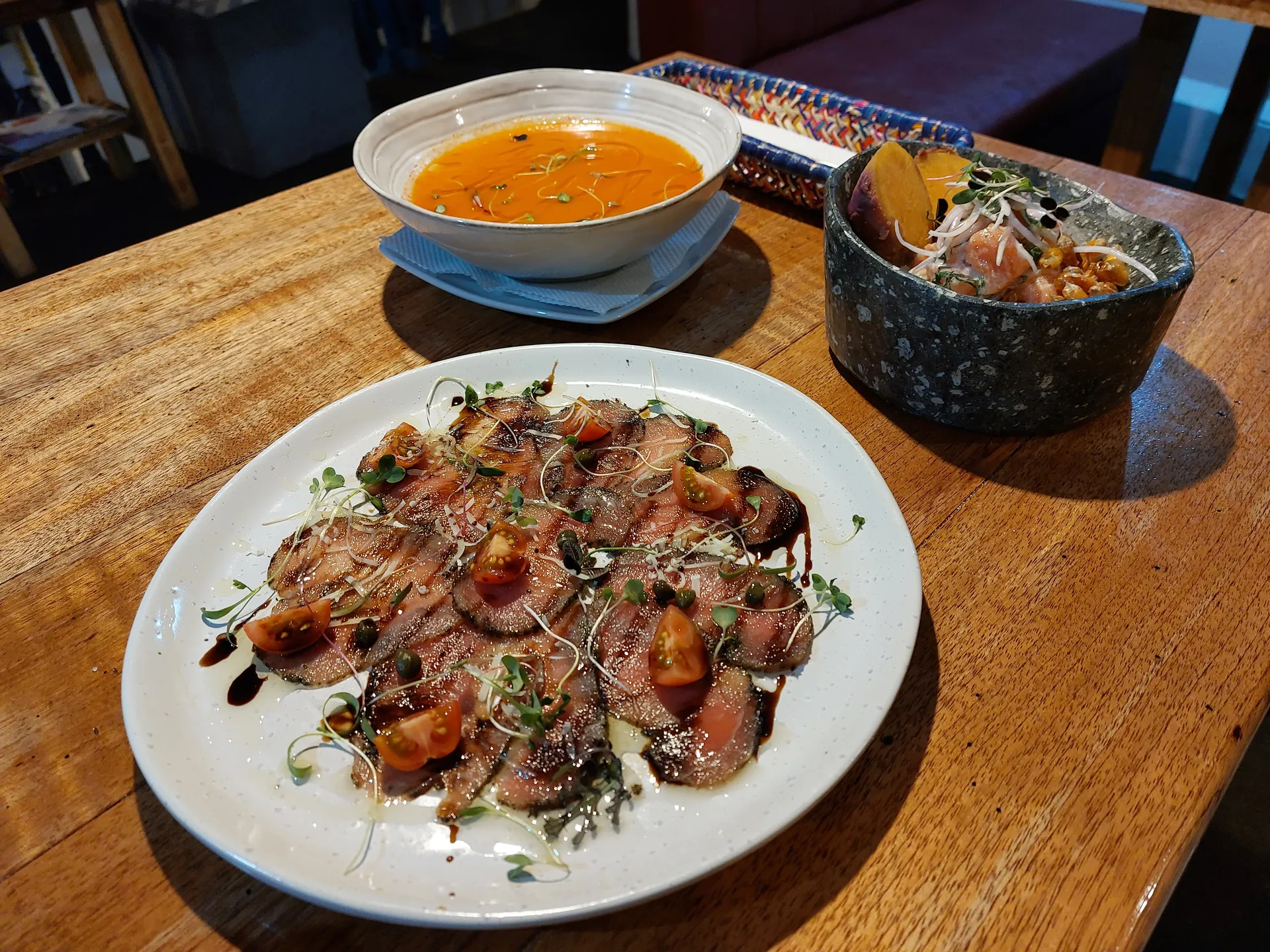
Peru spoiled me for flavor. Over a stretch that took me from Lima along the coast into the Cusco highlands and down to meals at the base of Machu Picchu, the food wasn’t a sideshow: it was the trip. Ceviche bright enough to wake you up, alpaca prepared with real care, market lunches piled high next to tiny bowls of ají, and seafood handled with a confidence I’ve rarely seen on the road. I left genuinely delighted, more so than in many places I’ve been, and honestly more than in a lot of European dining I’ve had. Peru isn’t subtle about being delicious.
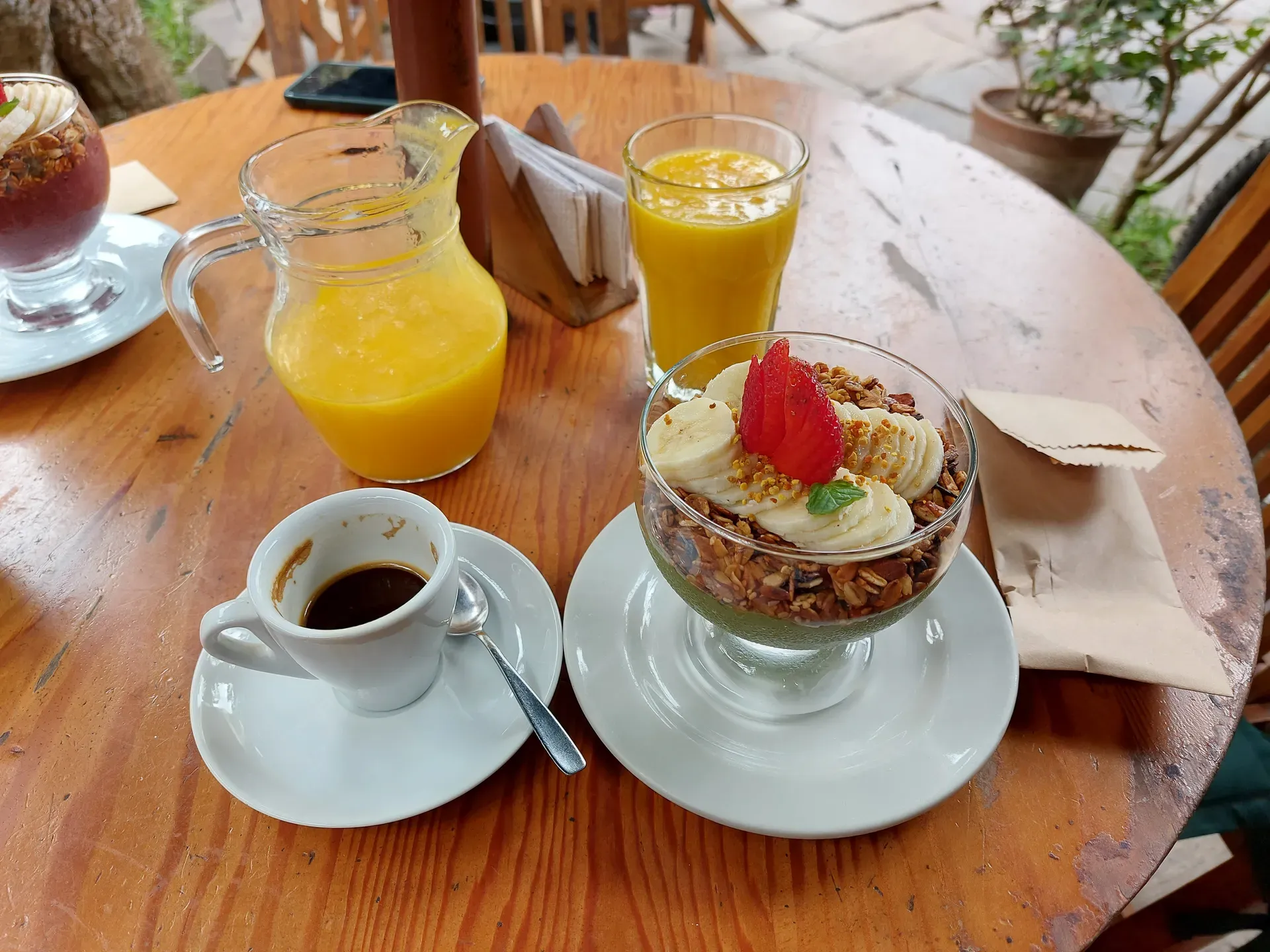
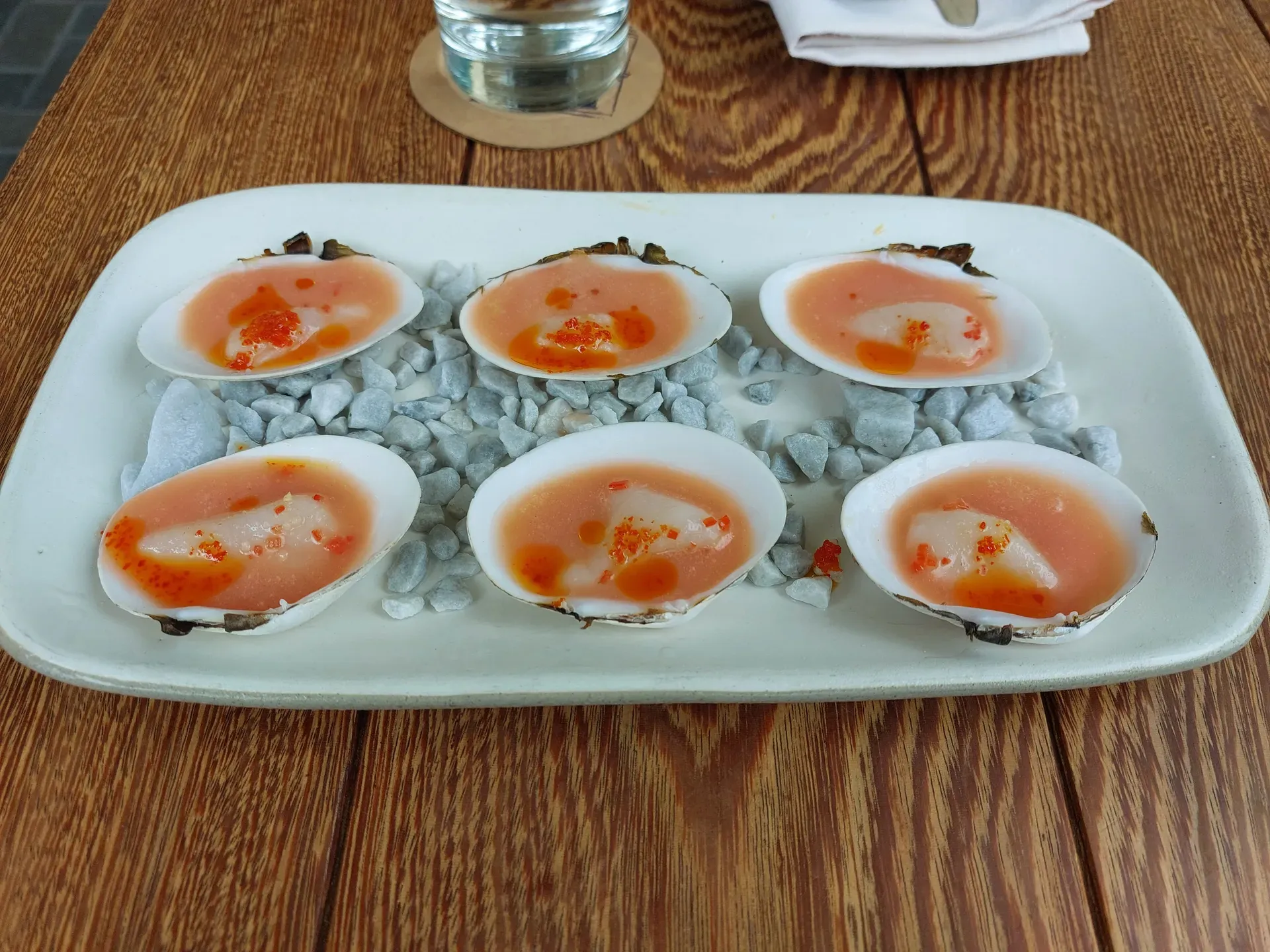
Lima started things gently: color in the bowl, juice in the pitcher, the kind of breakfast that feels like fuel for wandering. But the city’s real argument is the sea. I chased plates where the ocean showed up as shellfish on the half shell, leche de tigre clinging to each bite, and little hits of heat and citrus that made you reach for the next one before you’d finished the first.
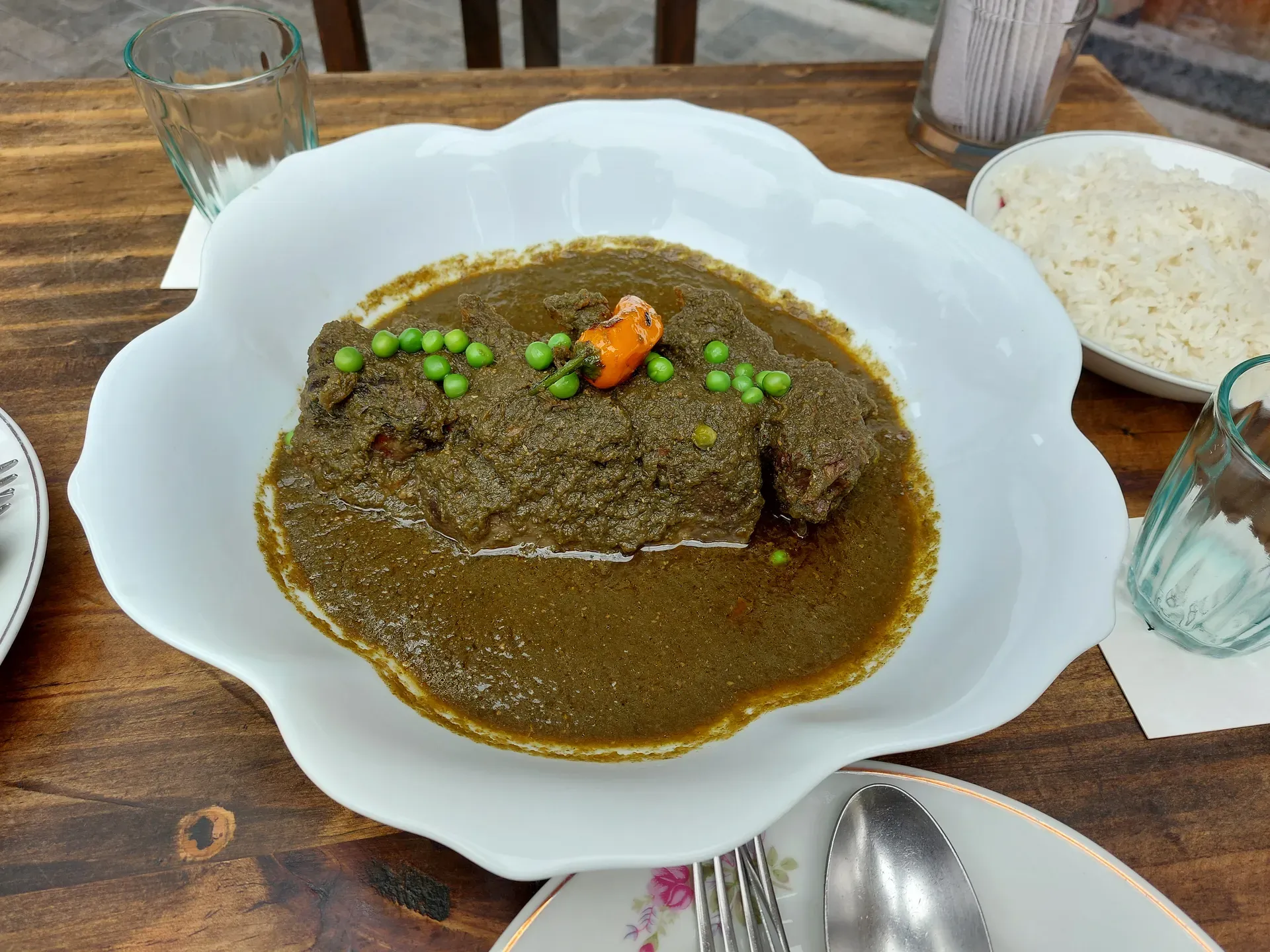
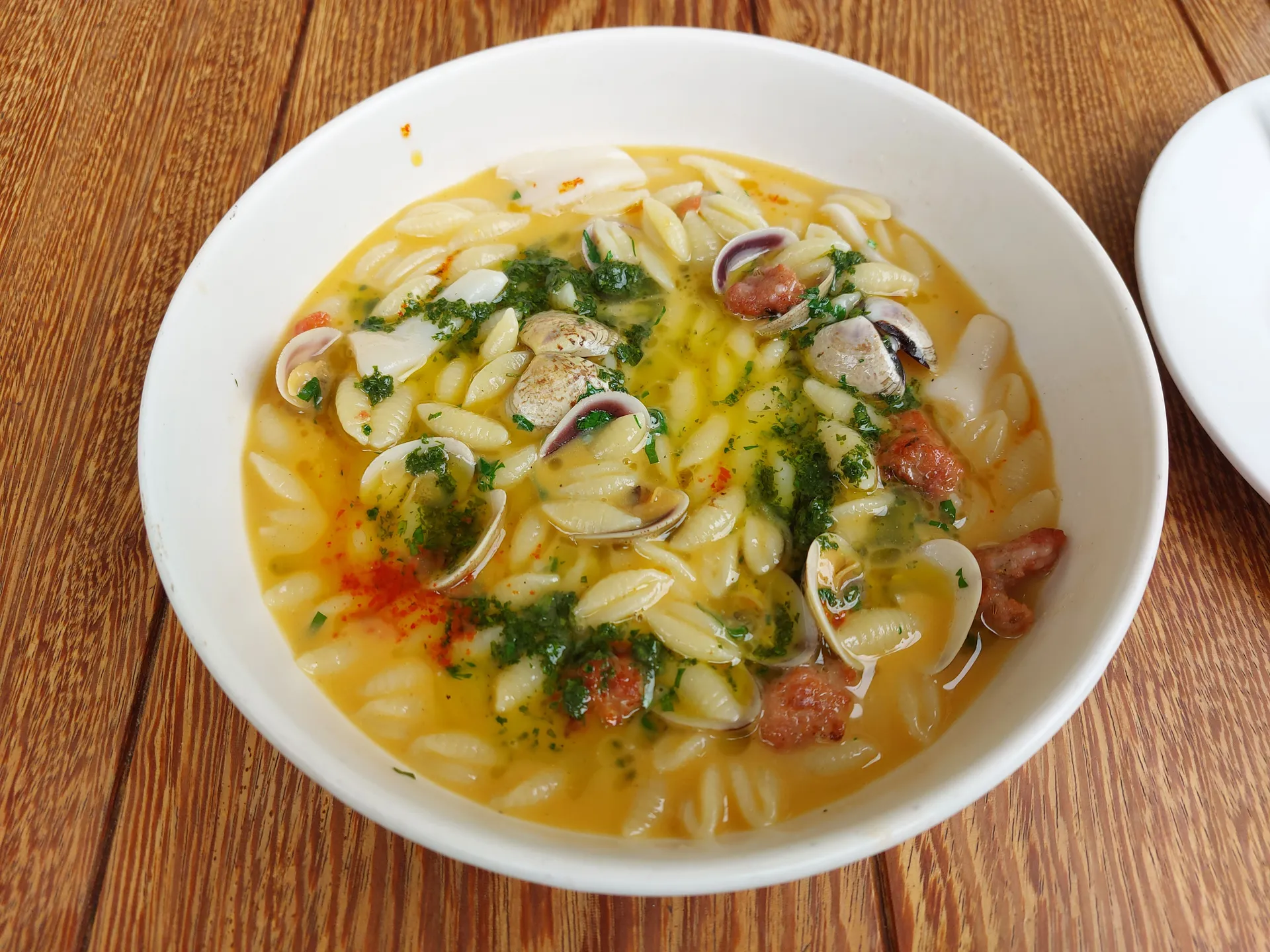
Then came the heavier, soulful side of the coast: broths and bowls where clams, pasta shells, and ají-colored stock mingled in something between soup and a meal you’d order again the next night. And seco (that deep green cilantro gravy hugging tender meat) served with rice in a way that felt like home cooking if your home happened to know exactly what it was doing.
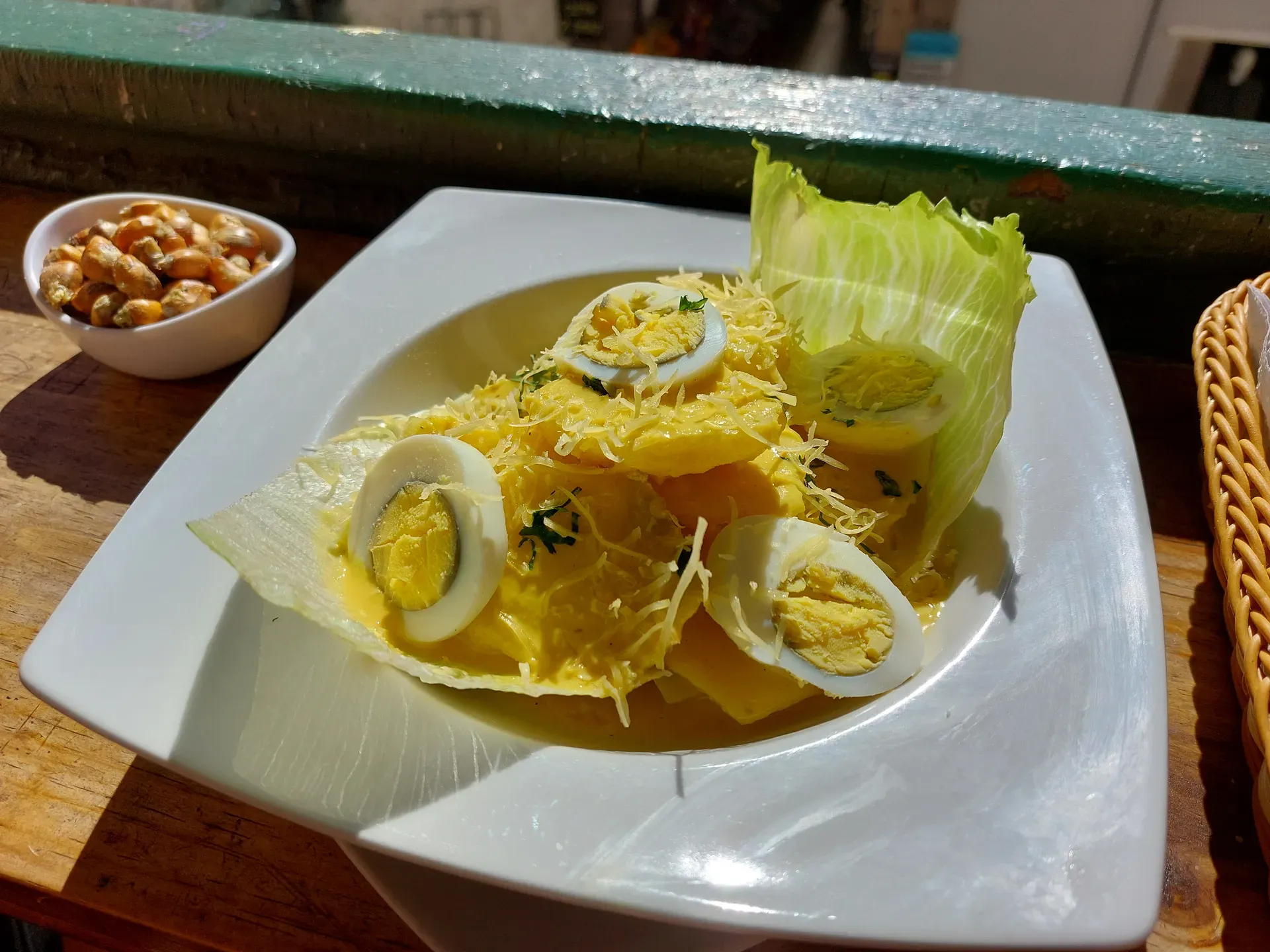
Up in the Andes, the rhythm changed but the pleasure didn’t. Papa a la Huancaína arrived as thick yellow sauce over potatoes, eggs, and lettuce, with cancha on the side: simple on paper, impossible to stop eating when the cheese and ají balance is right.
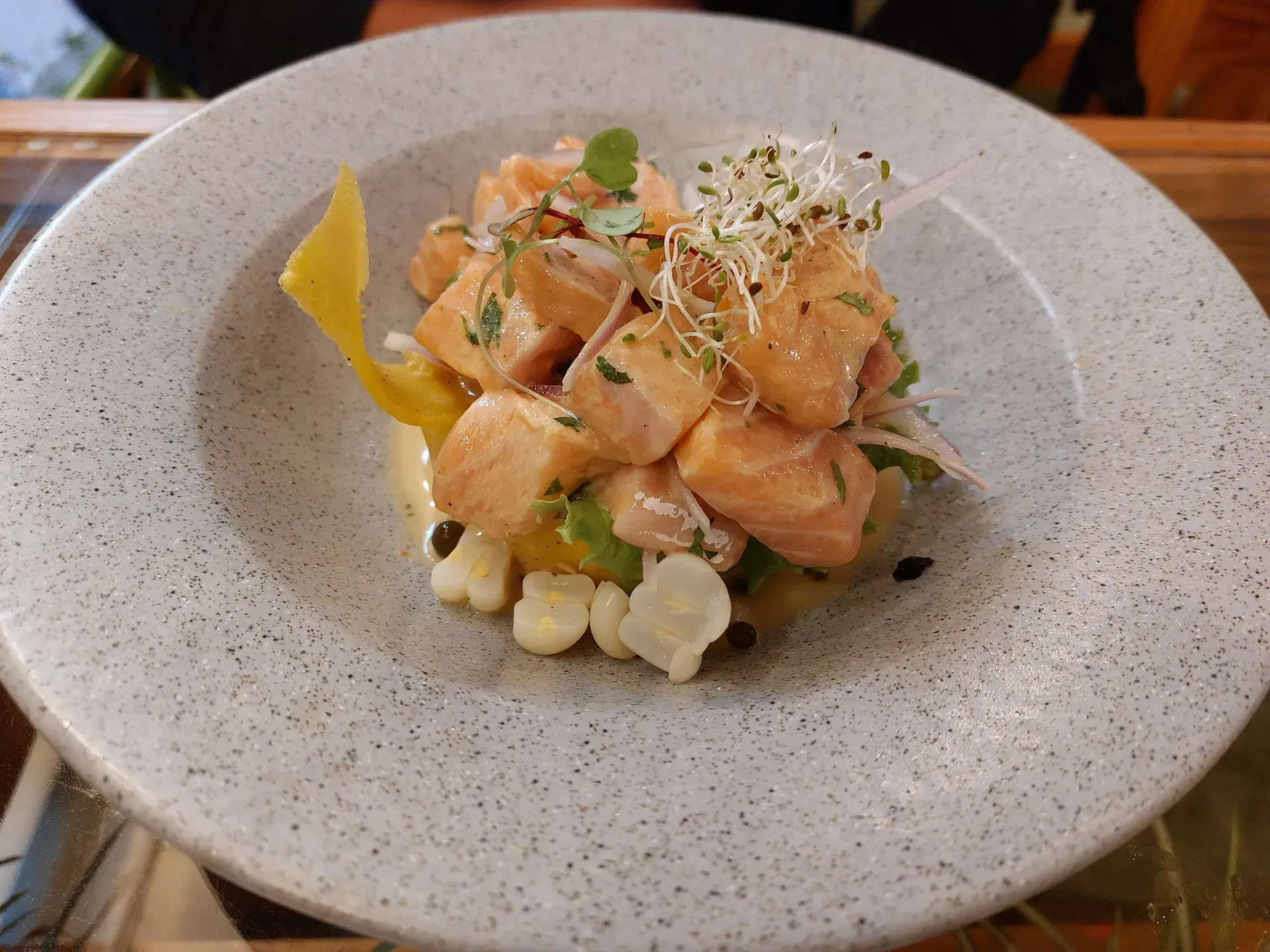
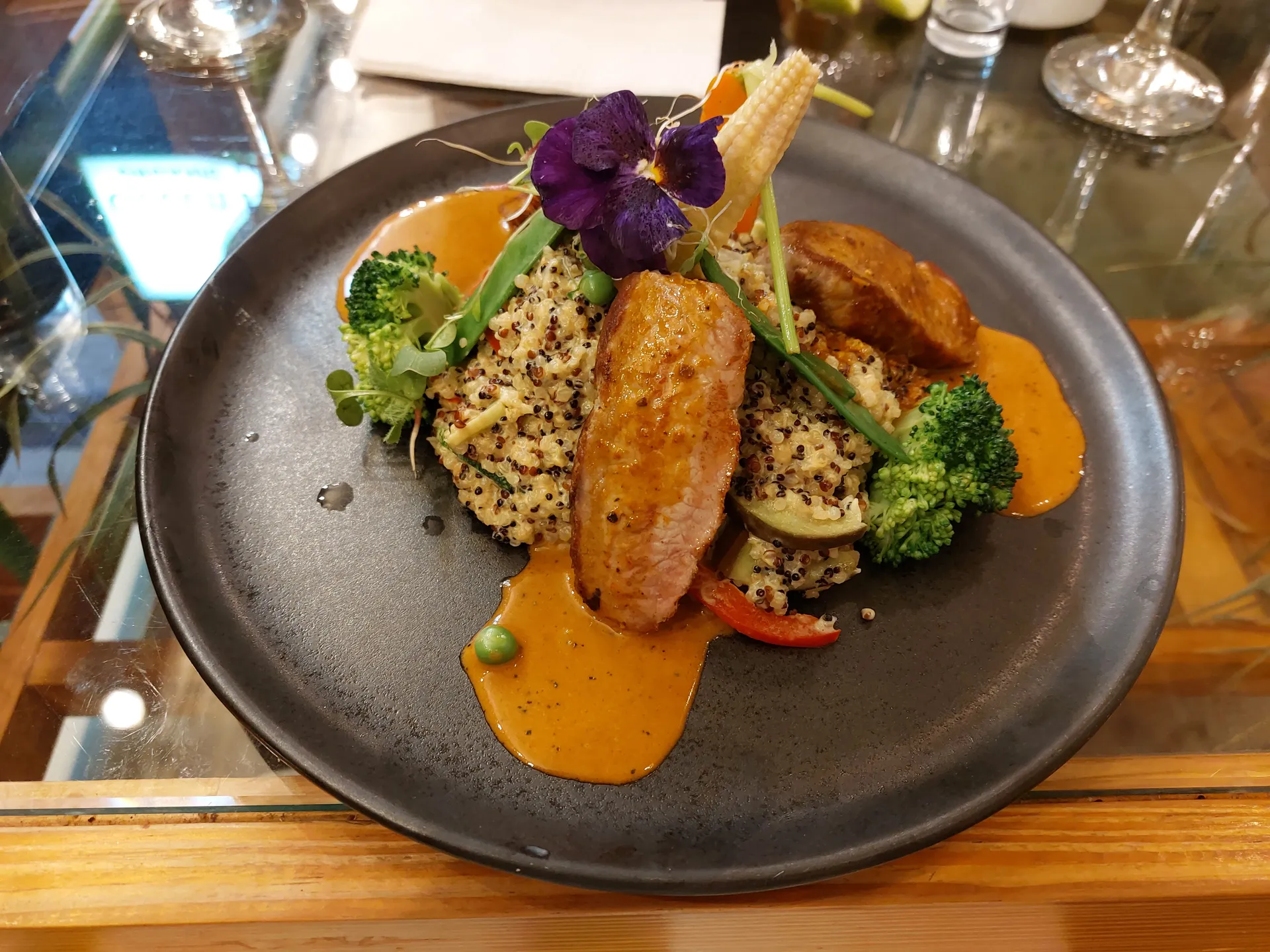
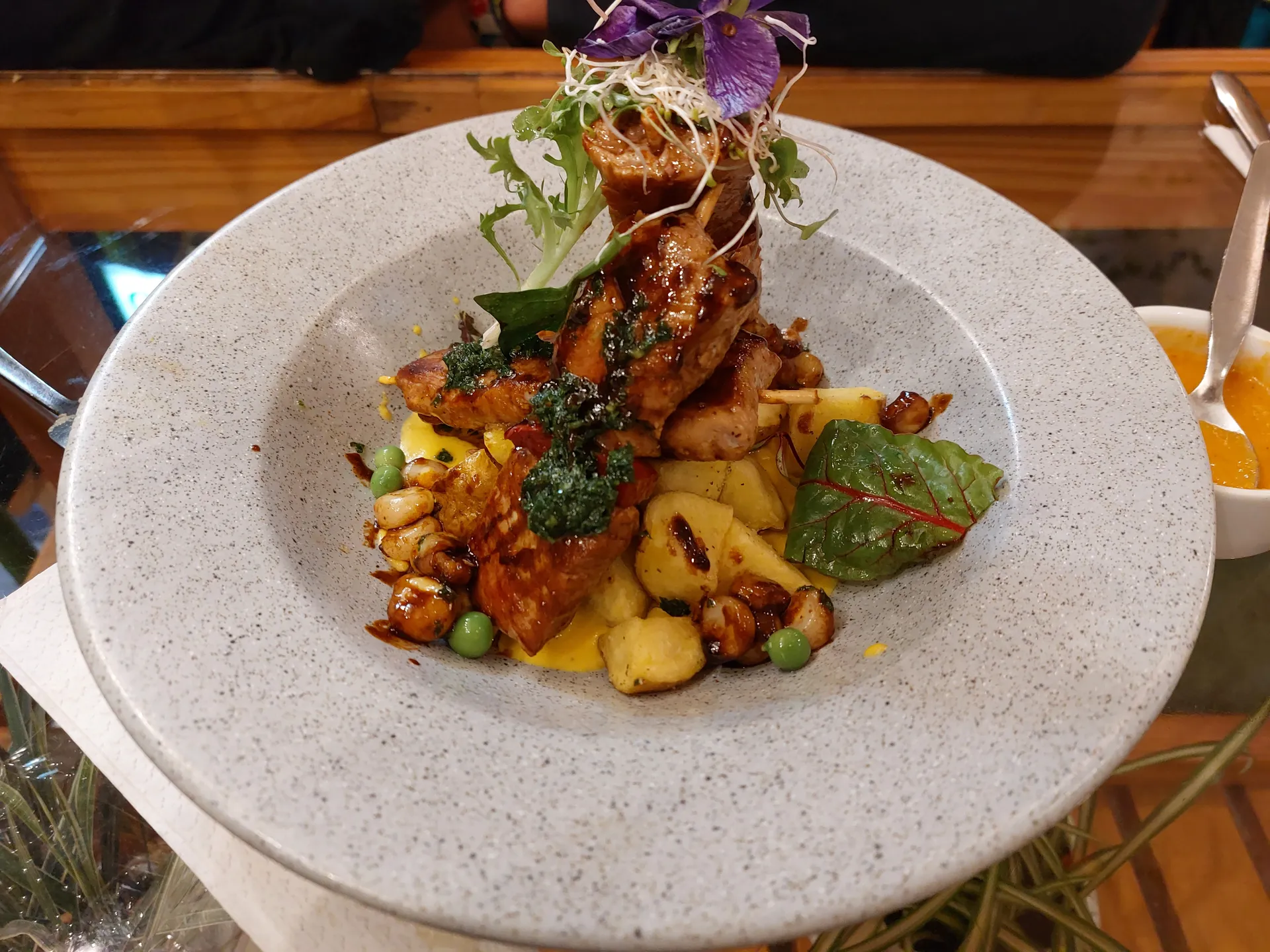
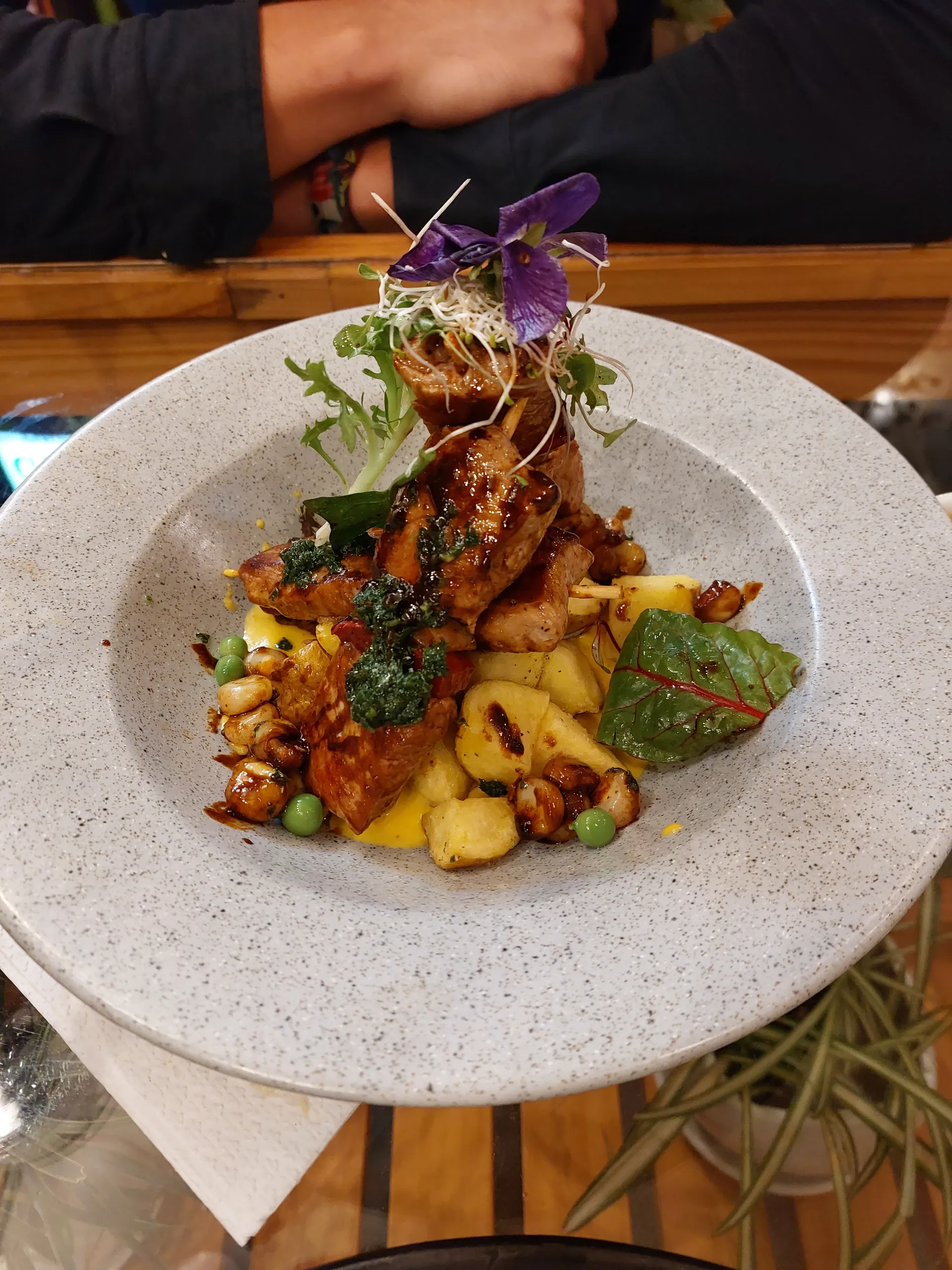
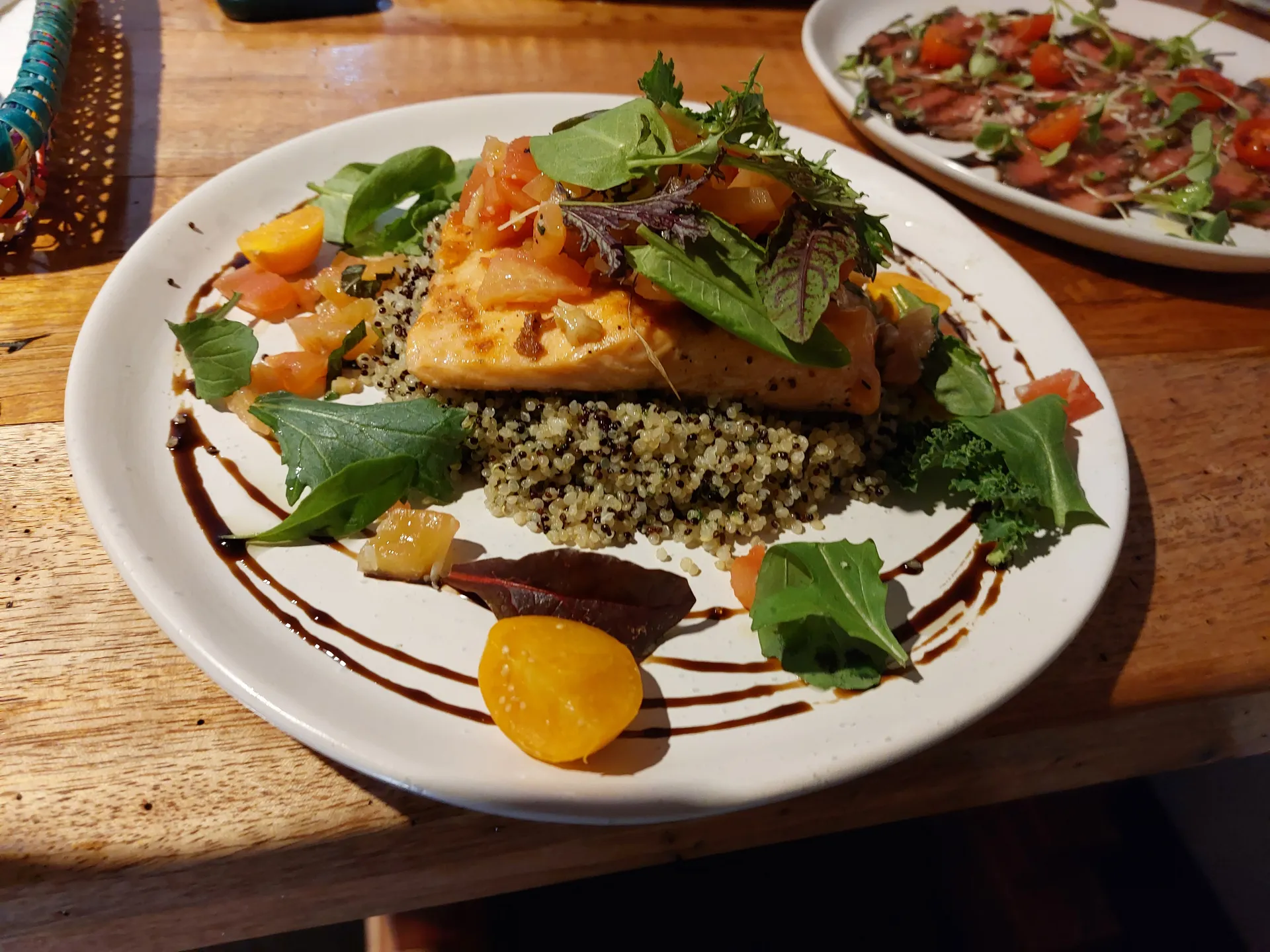
In Cusco, dinner turned sharper and more composed: ceviche with choclo and sweet potato, fish glistening under sprouts and red onion, the kind of dish that makes you understand why Peru’s seafood reputation travels. I also leaned into alpaca (sometimes as carpaccio or tiradito, sometimes seared or on skewers), meat that’s lean but treated like something special rather than a gimmick.
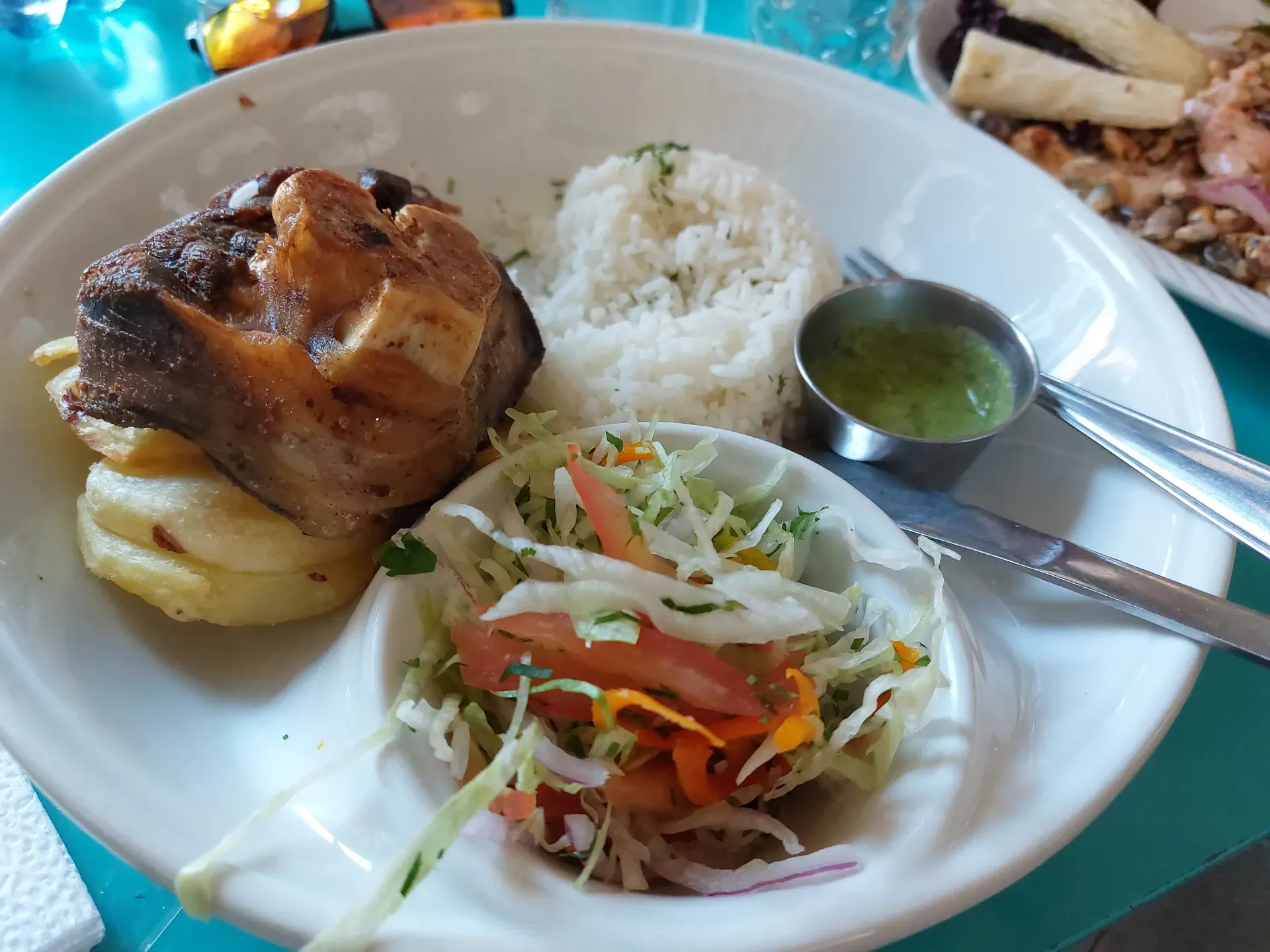
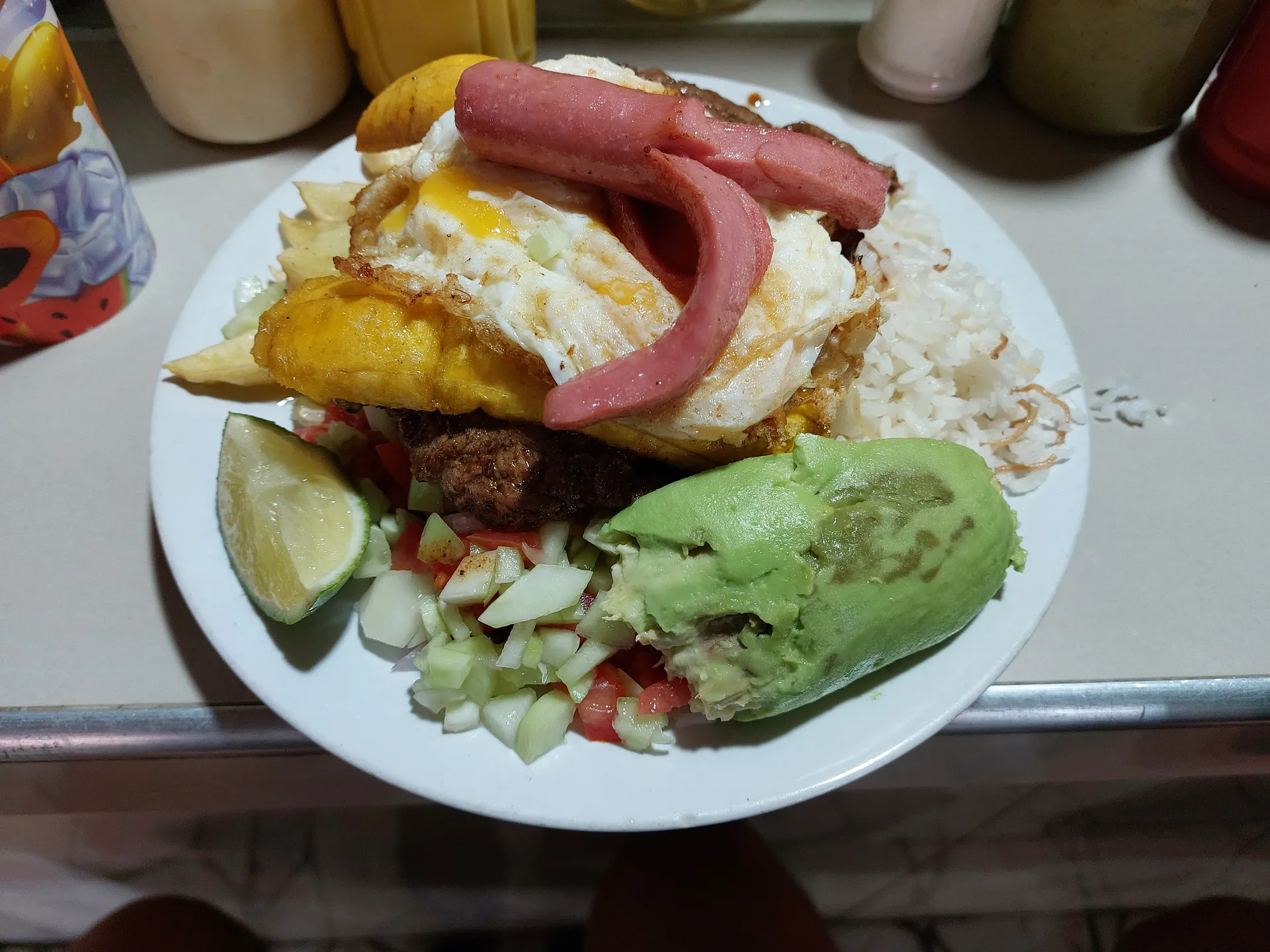
By the time I was eating near Machu Picchu, the setting was casual: bright table, roasted meat and potatoes, rice, a little salad, ají verde in a metal cup, but the flavors didn’t dial down. Markets and modest dining rooms had already taught me that Peru doesn’t reserve its best ideas for white tablecloths alone.
If I had to sum it up: Peru gave me a masterclass of the senses: salt, acid, chili, cilantro, corn in forms I kept rediscovering, and seafood that felt like a national specialty earned through practice, not marketing. I’d go back for the food alone.
Gallery

Sponsored by
Awaken LLC
Building the future with AI & Code. Expert solutions for your next big idea.
Visit Website