
Discover the Charm of Opatija, Croatia

I’d heard Opatija described as “the Nice of the Adriatic,” a title bestowed by Austro-Hungarian aristocrats who turned this fishing village into their summer escape over a century ago. Walking through town, that legacy is everywhere: grand Habsburg-era villas, ornate balustrades, and a seaside promenade that feels like it belongs to another era. But what struck me most wasn’t the architecture. It was how the town has resisted becoming a tourist caricature of itself.
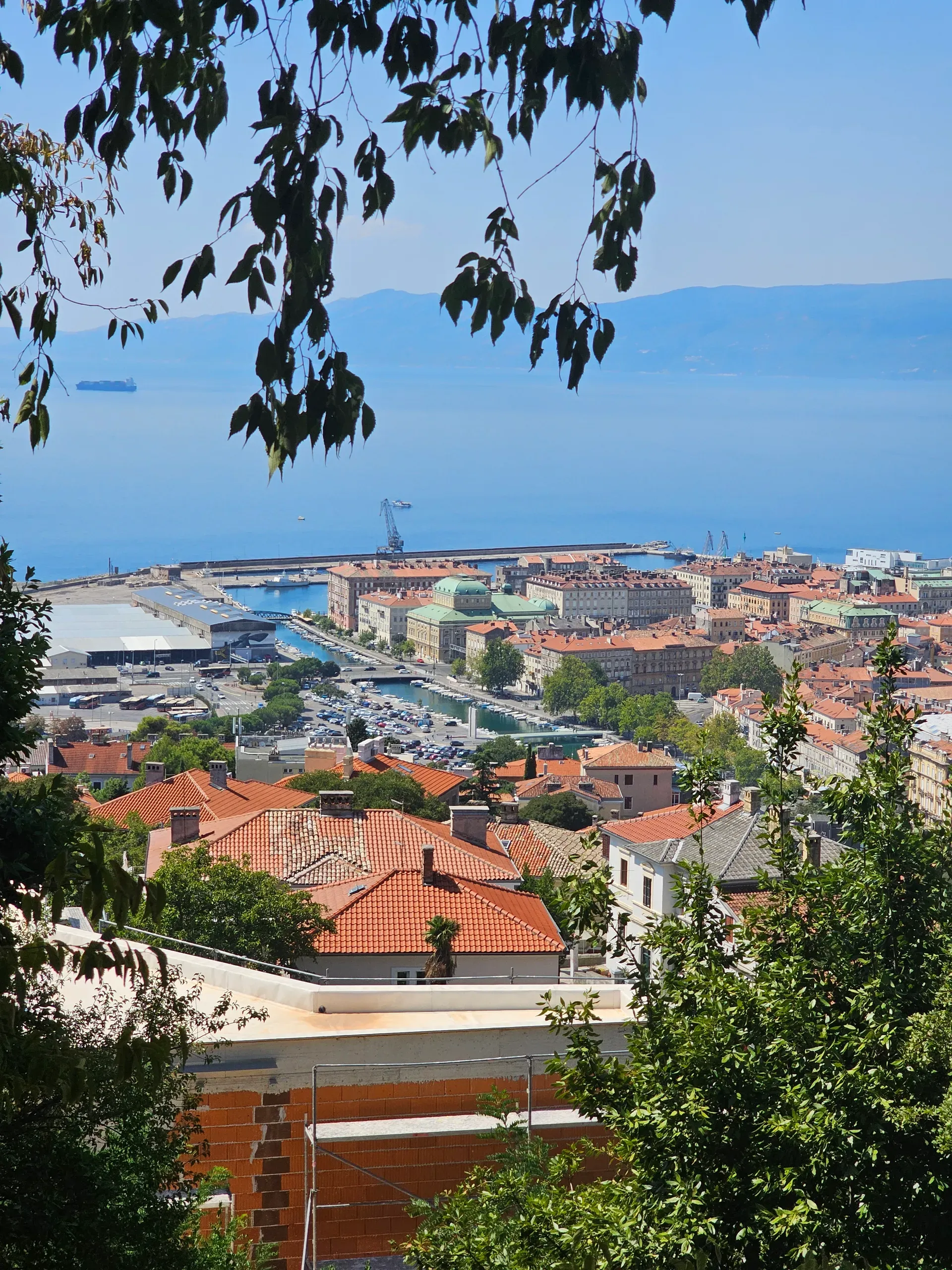
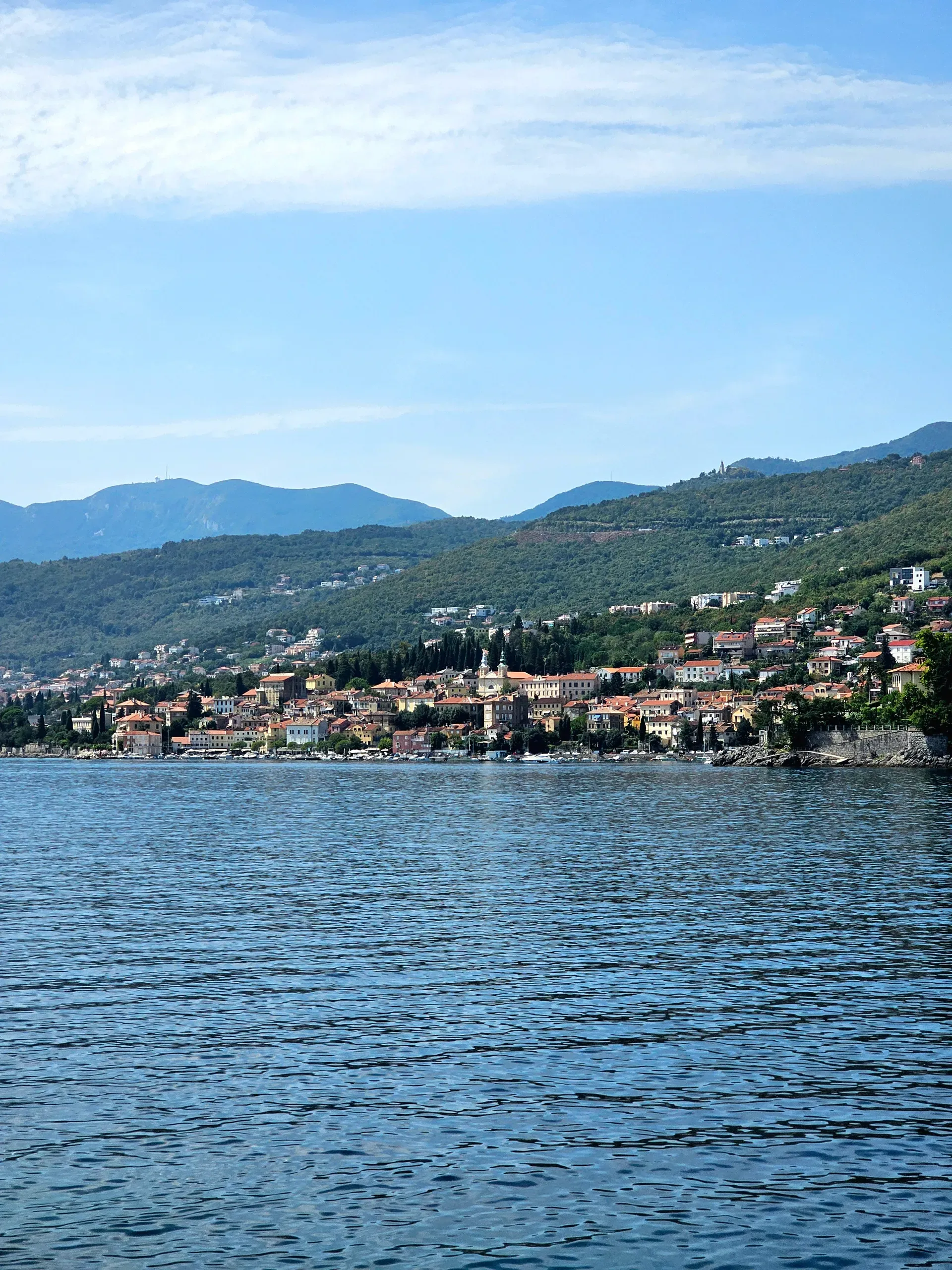
Opatija sits on the Kvarner Bay, sheltered by Mount Učka, which creates a microclimate mild enough that palm trees and camellias thrive here. The town feels quieter than the more famous Croatian destinations. Fewer crowds, more locals actually living their lives rather than performing for visitors.
The food here leans heavily on the sea. I had some of the freshest scampi I’ve encountered anywhere, simply grilled with olive oil and garlic. Peka, the traditional slow-cooked dish prepared under a bell-shaped lid, is worth seeking out if you can find a place that does it properly (it takes hours, so many restaurants skip it). The local wines from the Istrian region surprised me, particularly the Malvazija, a crisp white that pairs well with the seafood.
Angiolina Park, right in the center of town, is where I spent a quiet afternoon. It’s a botanical garden of sorts, planted in the 1840s with exotic species from around the world. The wealthy visitors of that era wanted a taste of the tropics, and the gardeners delivered. Now it’s a peaceful escape, with massive trees providing shade and the occasional cat wandering through.
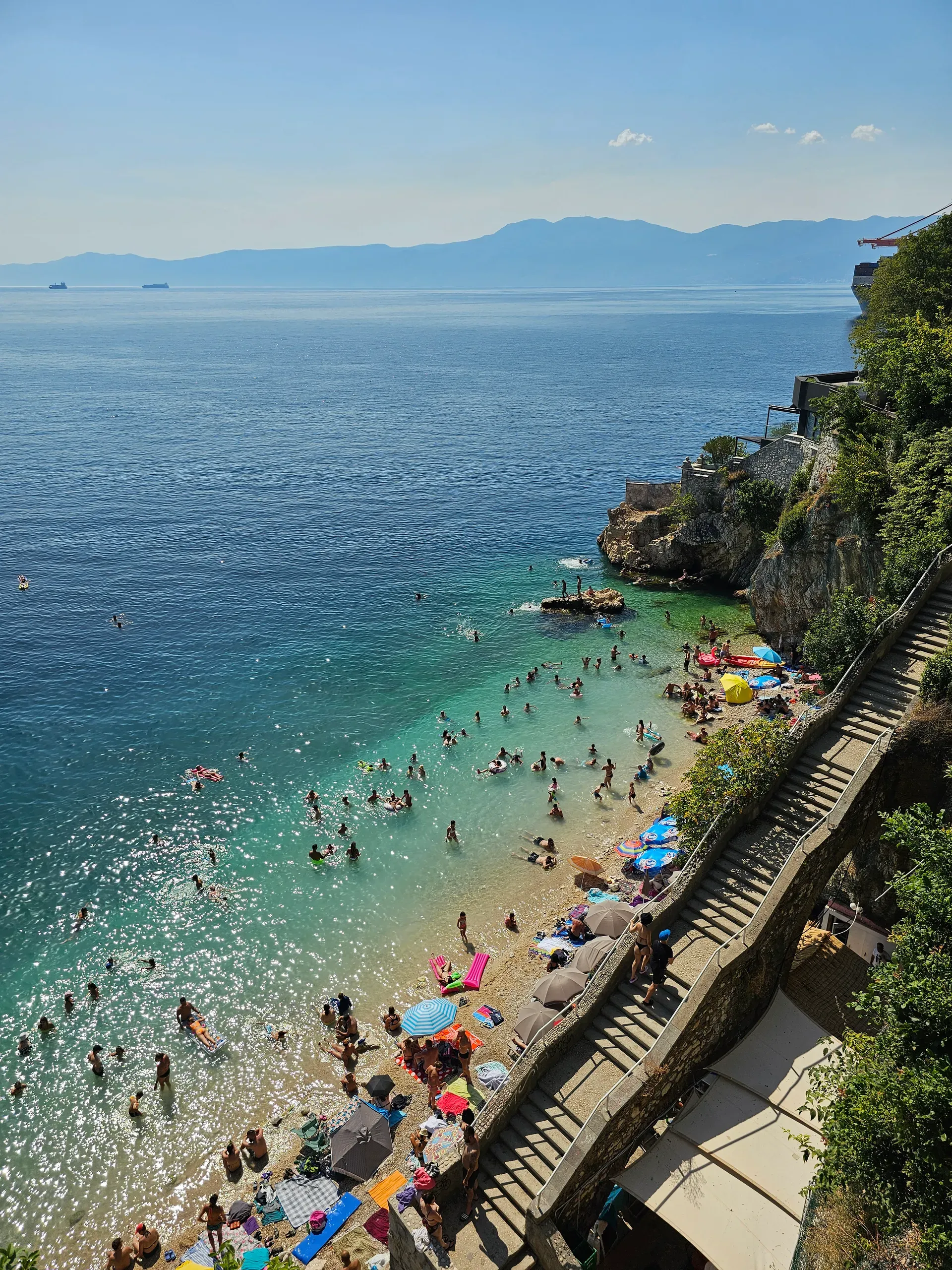
The Lungomare is what really defines Opatija. This 12-kilometer coastal promenade connects several towns along the bay, carved into the rocky shoreline. I walked a stretch of it in the early evening when the light softened and locals came out for their daily stroll. It’s the kind of path where you can lose track of time, stopping to watch the water or ducking into a small cove for a swim.
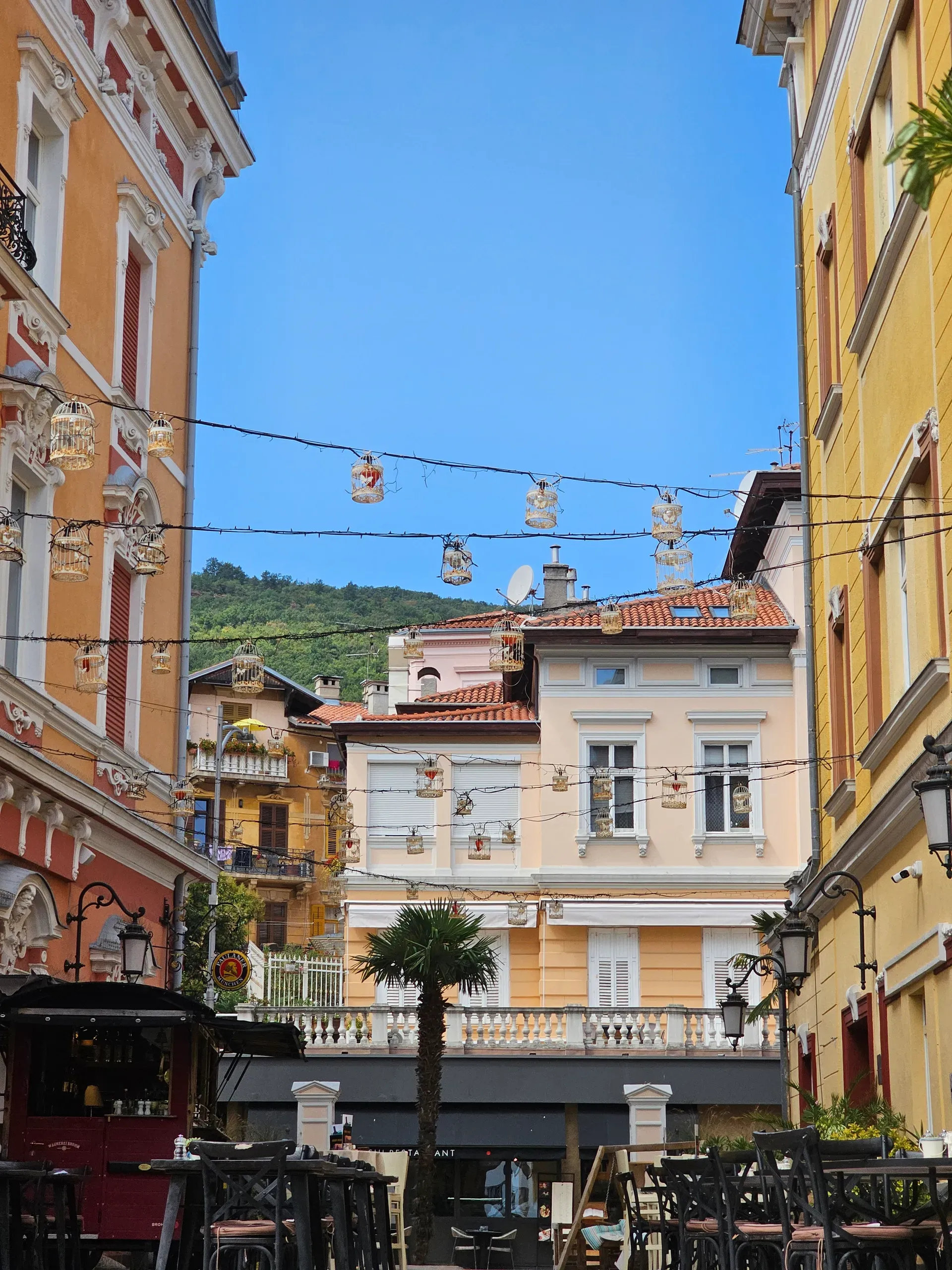
What I appreciated about Opatija is that it doesn’t try too hard. There’s no frenzy of souvenir shops or aggressive touts. The Croatian Museum of Tourism, housed in a villa from the town’s golden age, offers an interesting look at how this place transformed from a quiet village to a destination for European nobility. The Church of St. James, with its Gothic bones, sits modestly among the more flamboyant buildings.
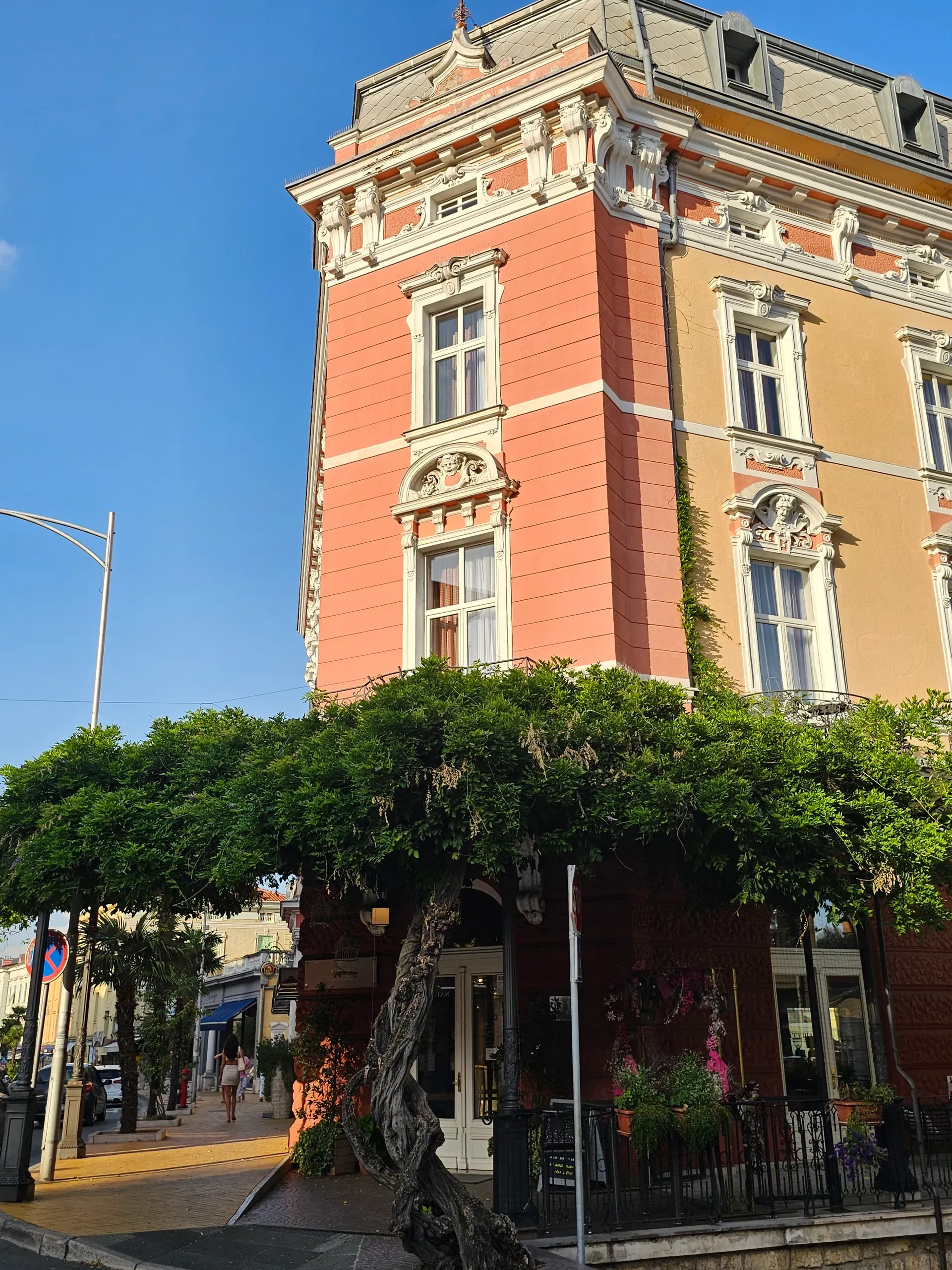
Opatija works best if you approach it without an agenda. Wander the promenade, find a spot by the water, eat well, and let the pace of the town set your rhythm. It’s not trying to impress you, and that’s precisely what makes it worth visiting.

Sponsored by
Awaken LLC
Building the future with AI & Code. Expert solutions for your next big idea.
Visit Website